
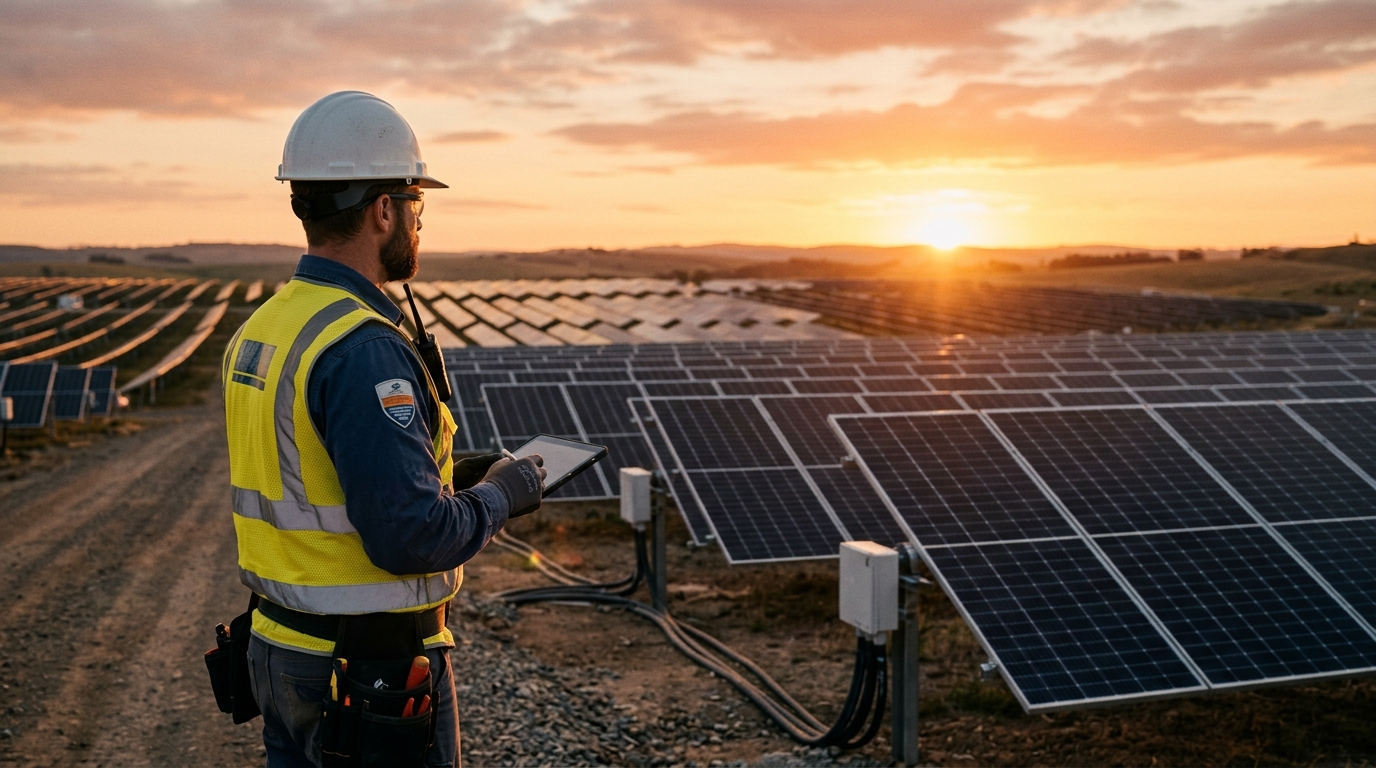
A solar energy system is a long-term capital asset engineered to operate for 25 to 30 years. Choosing the right Engineering, Procurement, and Construction (EPC) partner is the single most critical decision determining whether your solar project achieves its projected generation yield or becomes plagued by maintenance headaches.
1. Proven Track Record and Engineering Expertise
An experienced EPC contractor brings seasoned electrical and structural engineers who perform comprehensive soil testing, wind load analysis, shadow mapping, and 3D irradiance simulations. Always ask for a portfolio of successfully commissioned projects similar in scale to yours.
2. Tier-1 Component Sourcing and Procurement Strength
The best EPC contractors partner directly with top-tier global manufacturers for solar PV modules, string or central inverters, transformers, and galvanized mounting structures. Verified component quality guarantees genuine 25-year linear performance warranties.
3. Statutory Approvals and Regulatory Liaison
The regulatory maze of net metering permits, DISCOM approvals, CEIG electrical inspector clearances, and grid synchronization can cause severe project delays if handled poorly. A competent EPC contractor takes end-to-end ownership of all liaison work seamlessly.
4. Robust Operations & Maintenance (O&M) Protocols
Commissioning is merely the first day of your system’s life cycle. Your EPC partner should offer comprehensive O&M packages, including IoT remote SCADA monitoring, regular thermographic thermal inspections, preventative maintenance, and rapid breakdown response teams.
Conclusion
A low initial quote from an inexperienced vendor often leads to sub-standard wiring, uncertified structures, and lost energy generation over decades. Choose an established, certified partner like ONAS Solar to protect your investment and maximize lifetime energy yields.